New Patients
(201) 212-4079
Existing Patients
(201) 947-4777
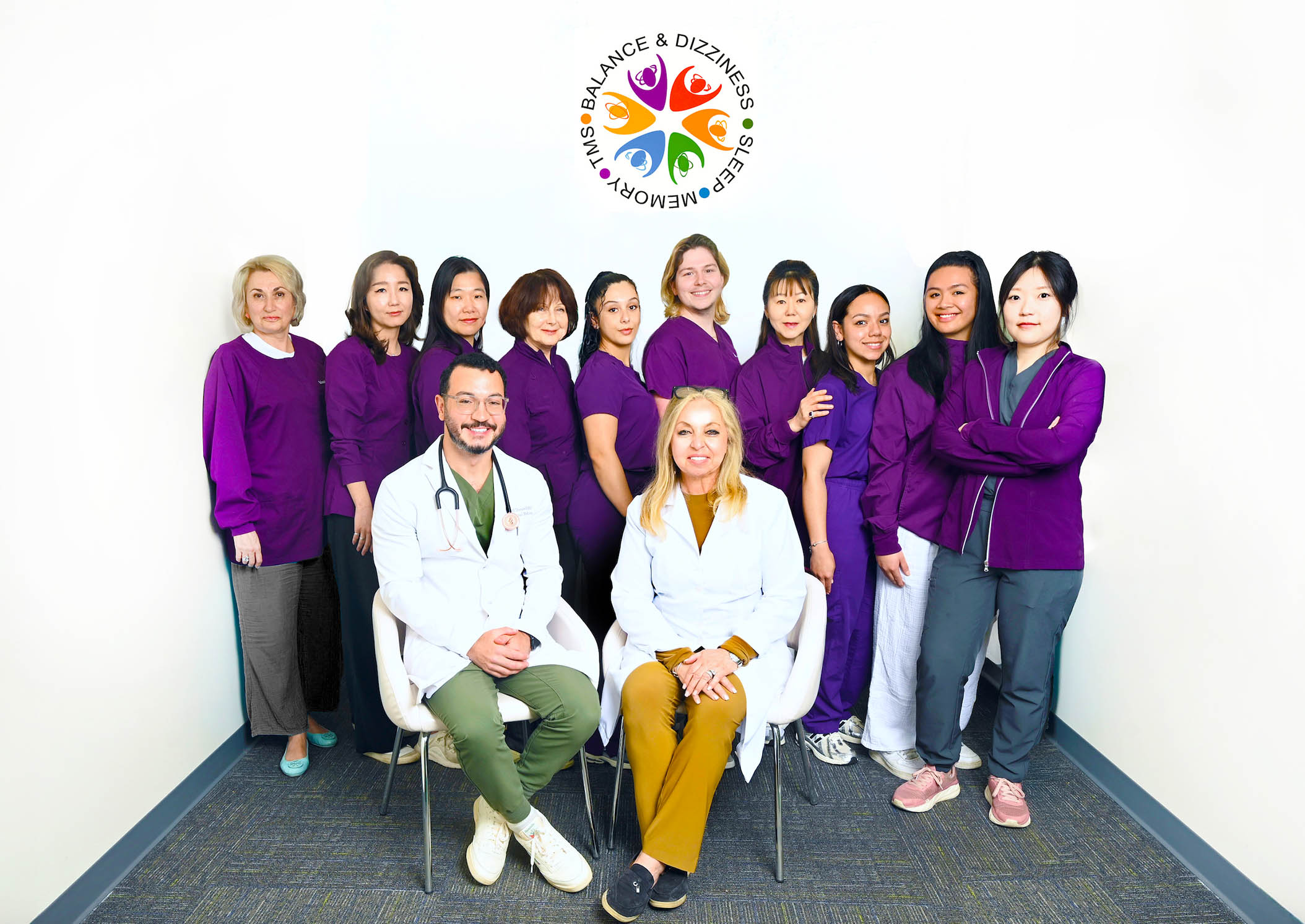
Our mission is to provide comprehensive care for patients experiencing balance, dizziness, and neurological disorders.
Our team of experienced specialists uses state-of-the-art diagnostic tools and personalized treatment plans to ensure the best possible outcomes for our patients.
Whether you’re dealing with vertigo, migraines, or other related conditions, we are here to help you regain your balance and quality of life.
To be the leading provider of comprehensive care for dizziness, vertigo, and balance disorders, empowering patients to regain control of their lives through expert diagnosis, personalized treatment, and compassionate support.

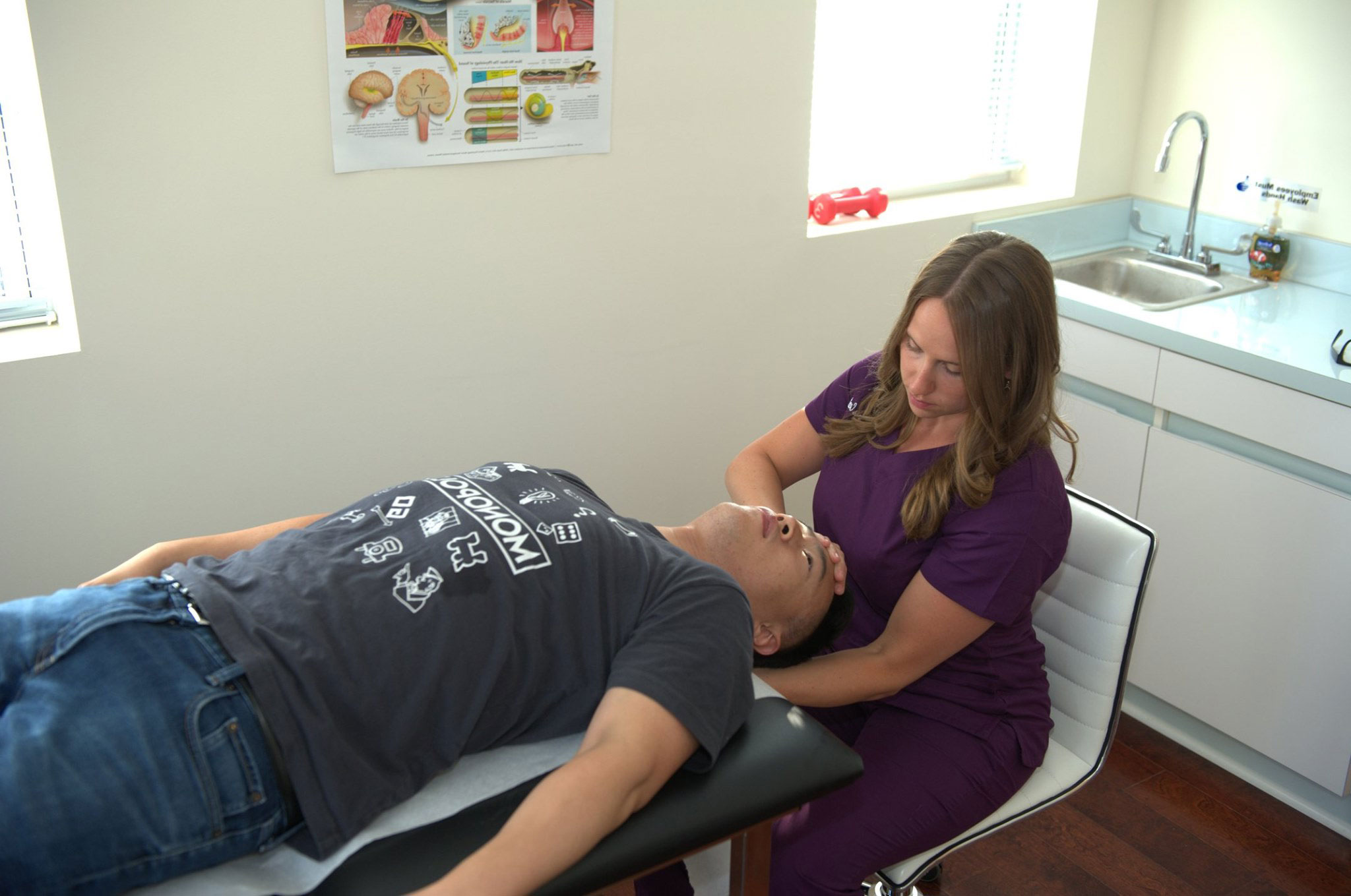
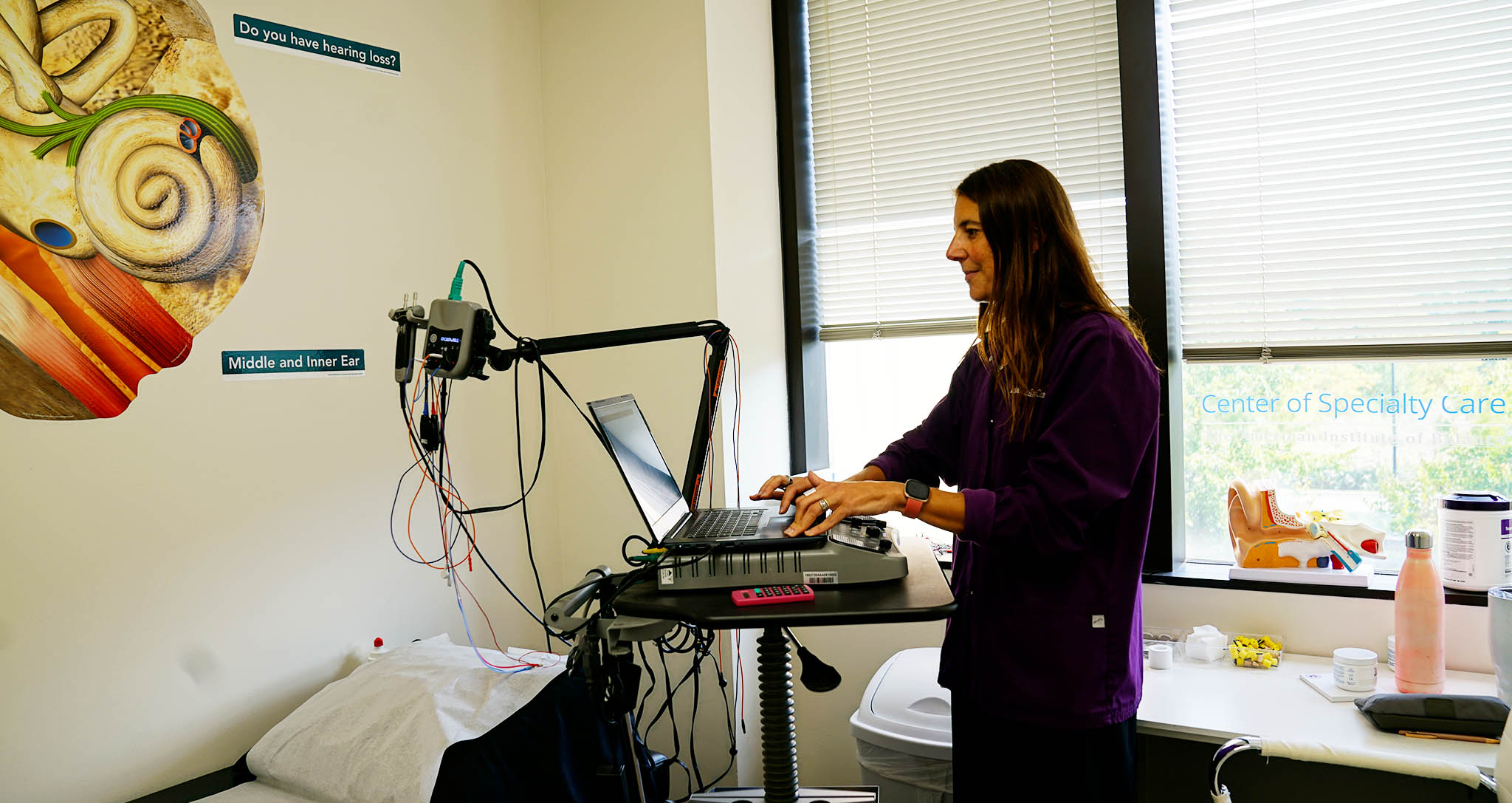

The Rod and Frame Test is an essential diagnostic tool for assessing balance disorders, offering insights into how our brains interpret spatial orientation. By evaluating a patient's ability to align a rod within a tilted frame, this test helps differentiate between central and peripheral vestibular dysfunctions, enabling healthcare professionals to develop targeted treatment plans. The non-invasive procedure provides valuable information about underlying conditions that cause dizziness and imbalance.
April 2, 2026

Dizziness and vertigo can disrupt daily life, but Vestibular Rehabilitation Therapy (VRT) offers a non-invasive solution. This comprehensive guide explores how VRT retrains the brain to compensate for vestibular system damage, using tailored exercises and advanced diagnostic tools like Videonystagmography (VNG) testing and Calorics evaluations. Learn about the vestibular system's role in balance and movement, and how VRT can improve symptoms and quality of life.
March 6, 2026

Dizziness can disrupt daily life, making it essential to pinpoint its root cause. Ultrasounds offer a reliable, noninvasive way to visualize blood flow and structural abnormalities that may be causing symptoms like dizziness. By integrating vascular and cardiac ultrasounds into a comprehensive diagnostic approach, specialists can identify conditions such as carotid artery stenosis or atrial fibrillation, leading to accurate diagnoses and tailored treatment plans.
March 4, 2026